
After the industrial evolution, the major evolution that changed the way the world functions is the technological evolution. Technology grew faster and we are adapting to this growth at a very fast pace. In the today’s date, we are changing the way we live too thanks to technology. The shift from analog to digital technology happened fast and changed things drastically thanks to continues demand of people wanting more convenience in their life.
And after the shift, there was no turning back, digital technology just grew at a very high pace, acquiring majority of traditional methods to digital methods like from sending mails to sending emails, from purchasing items from offline stores to purchasing online e-commerce websites, connecting people face to face virtually from all around the globe thanks to video calling ,from a button qwerty keypad phone to a full touch screen, from paying via cash to making cashless, direct bank payment, there are so many examples of this digital era that we live which has made our life more convenient and easy. But all the these digital services functions on an important aspect of the digital world, data.

The emails you send via a email service like Gmail, require your personal details like phone number etc. The online shopping websites we visit like amazon.com require also your personal details like phone number, email id, exact house address. The online cashless payment you make require your bank accounts to be connected to the application. The touch screen phones require fingerprint and face id for the security lock of your device, the conversations you have with your friends and family are stored in the company servers of whose application you use, the maps you use to find locations takes your live in order to show you the distance from your destination.
What if one day you come to know that your personal data is leaked or the company whose applications you use have used is keep the data for their own personal use? Scary right, feels like somebody has a control on your virtual life and things can take a wrong turn anytime affecting us directly. Well that’s when the importance of digital privacy come in. As we are growing and adapting to the everyday changing technology, we must create a barrier between on digital and real life and maintain some privacy.
Digital Privacy helps in promoting, understanding and protecting his/her individual private data one gives while using the internet. It also makes them know their data protection right and also gives the right to ask the company whose applications they use as to how their data is used. Due to the recent incidents of data breaches and leaks, Digital privacy is slowly gaining importance and making people self-aware about their vital personal data.
There are 3 types of privacy levels an individual should understand which are, information privacy, communication privacy and individual privacy. Information privacy means that individual has the have freedom to ask/determine how their digital information is been used.
Communication privacy means that the individual has the freedom to communicate their personal information with a expectation that their data is secure and the information reaches only to the concerned original receiver.
And lastly, individuals privacy is the right that an individual can stay on the internet freely keeping in mind the amount and the type of information they want to publish and no unwanted information should interrupt their experience.
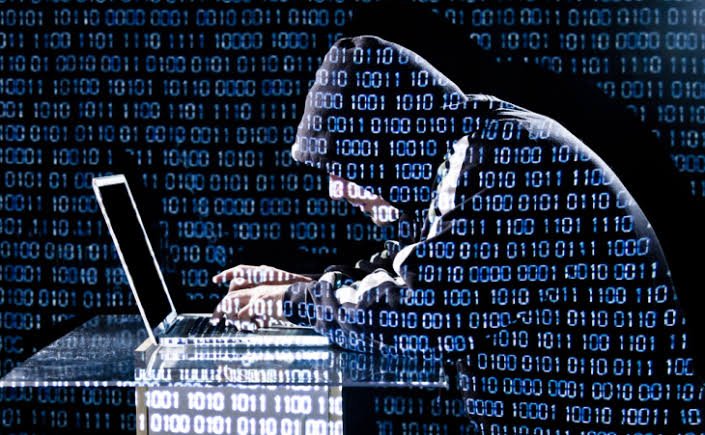
Even after knowing all the rights and maintaining privacy, there are data breaches that happen which can be a big threat to our privacy. There various methods that are used to execute such breaches. Hacking is a common methods used wherein a hacker can hack into data servers of an company, accounts, applications and can obtain information of an individuals either by directly attacking them individually or in a larger group.
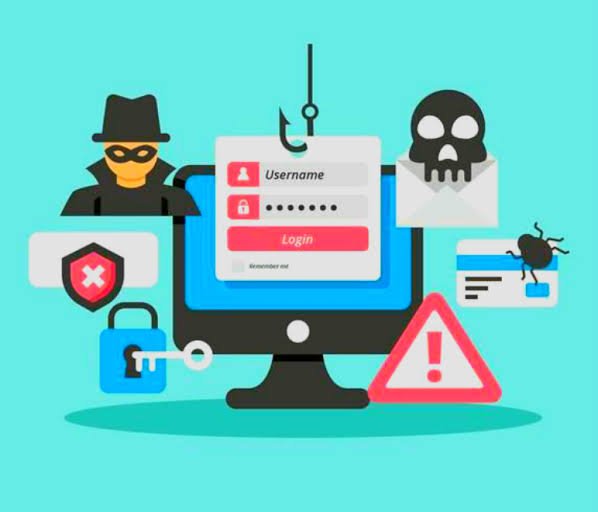
Phishing is another commonly used method that’s used wherein, pe person create a fake website which is very similar to major commonly used/visited websites which may appear legit but have small variations like .org or .com. Then a link of these websites is sent through a fake email id which is disguised as an email from the commonly used website. A person unaware of its authenticity will click on the link, sign up and fill in his personal data and information which directly goes to the person sitting the screen. Phishing attacks usually happen to get bank or financial data and also social media website information.
The case is not always on a personal or smaller scale. There have also some big data leak/breaches incidents which bought spotlight to our data privacy and how alarming the situation has become. Equifax, a consumer credit reporting agencies which is one of the third largest in United states of America, announced on September 2017 that their systems have been breached and the sensitive personal information of 148 million people is compromised. This data included information like names, home address, phone number, date of birth etc.
Facebook, a social media networking site, faced a data breach in 2019 wherein, 267 million Facebook users dates was exposed on databases online. The data exposed consisted of user id, phone numbers, names were left exposed online on databases. This data can accessed by anyone without the requirement of passwords or any form of authentication which can be used by for SMS scams and by phishing website.
There have also been incidents where the company use your data stored with them to manipulate certain events.
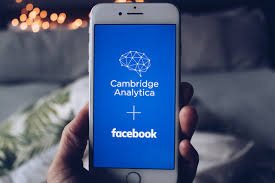
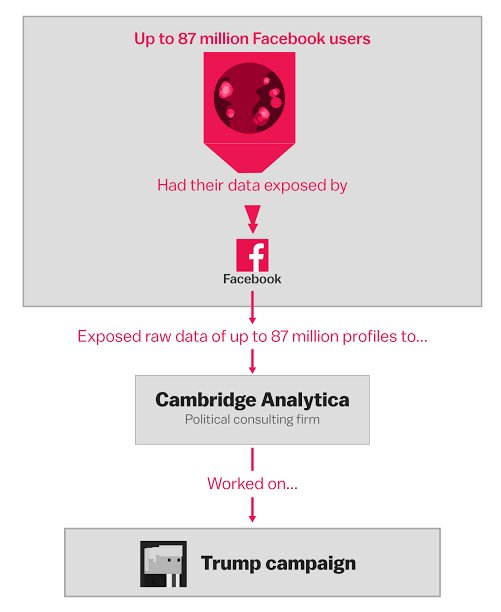
The famous incident which shook the world was the Facebook–Cambridge Analytica data scandal. In this scandal, personal data of millions of Facebook was used without their consent by a British company Cambridge Analytica, this information was used mostly for political advertising. The data was collected though an app called “ This is your digital life” which consisted of questions to build on psychological profiles on the users and personal data of the users Facebooks friends was also collected through Facebooks open graph platform. Cambridge Analytica used this information for analytical assistance for the 2016 presidential campaign between Donald trump and Ted Cruz. When this scandal was exposed and was proven guilty, Facebook was fined 5 billion dollars by the federal trade commission for violation of privacy of the users.
Data leaks/breaches events like this have bought our digital privacy at a questionable positions. But the situations get even scary in a country with 1.3 billion population, India. India got boost in its internet usage thanks to the introduction of Jio, a telecom company which gave internet services at a cheap price. This got many people connected to the internet but also came with additional problems due to low internet literacy making it a easy target for data to be misused.
India does not have a specific data protection law, however the Indian legislature did amend the Information Technology Act (2000) (“IT Act”) for the inclusion of Section 43A and Section 72A, which gives the right to compensation for improper disclosure of personal information of an induvial. The government also issued the Information Technology (Reasonable Security Practices and Procedures and Sensitive Personal Data or Information) Rules, 2011. Personal data are protected by indirect safeguards developed the court which come under the law of principle of equity and the law of breach of confidence.
Even though we have these laws, there have been multiple incidents where the data off Indian citizen have been in danger.

Big basket, an online grocery shopping website, faced a data breach where personal data of 20 million user accounts was on sale on a online cyber market at price tag of 40,000$. The data include names, email id, passwords, pincode,phone number, addresses, date of birth etc.
Justdial, a local search company for different services in India , in 2019 exposed personal data of almost 100 millions users as they suffered a data breach. The personal data include names, email id, phone numbers etc. This breach came in limelight when independent security researchers posted about this in a Facebook post.

Unacademy, a EdTech startup revealed that they suffered a data breach which put the data of 22 million users at risk as this data which included names , passwords and email id where on sale on the dark web.
In today’s digital era, it is considered that privacy is myth. But I believe that a individual’s digital privacy isn’t dead yet. A 2015 international survey conducted by Microsoft found out that the most of the online users don’t fully understand and know what kind of data is collect from them while they visit a website as websites collect these data in various ways. Either the data is given to the website by the user only or its take from them without their consent. While the Politian’s and governments work hard and aim to digital privacy right stronger and basic right, we as individuals should take our take our digital privacy seriously just like our real life privacy and can achieve some level of privacy.
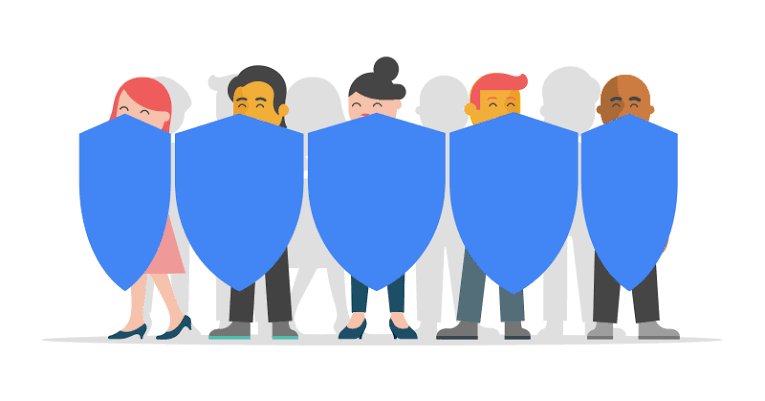
There are various ways one can imply and protect their privacy. An individual should first understand how much information they want to share on social media as this information is easily accessible to anyone. They should also be thoughtful while posting on social media. They can adjust their browser setting as to how much information they want to share. They should learn to identify fake calls/SMS and be more self-aware by not sharing any personal details or passwords/pins to unknowns people and should educate themselves
28th January is celebrated as an data privacy day with a sole purpose to increase awareness and promote privacy and data protection. With the recent global response to the new WhatsApp Privacy policy forcing WhatsApp to delay and rework on their policy shows a positive signs that people are becoming aware of their privacy in this digital era as now digital privacy is now more important then ever.
References: https://techcrunch.com/2019/09/26/privacy-queen-of-human-rights-in-a-digital-world/ https://en.wikipedia.org/wiki/Digital_privacy https://www.identityguard.com/news/what-is-digital-privacy https://www.kaspersky.com/resource-center/threats/what-is-a-security-breach https://www.indiatoday.in/technology/news/story/facebook-data-of-267-million-users-exposed-online-1630084-2019-12-20 https://www.linklaters.com/en/insights/data-protected/data-protected—india https://www.csoonline.com/article/3541148/the-biggest-data-breaches-in-india.html https://www.business-standard.com/article/technology/justdial-data-leak-exposed-personal-details-of-100-million-users-it-expert-119041800271_1.html












 BEING SUSHEGAD